
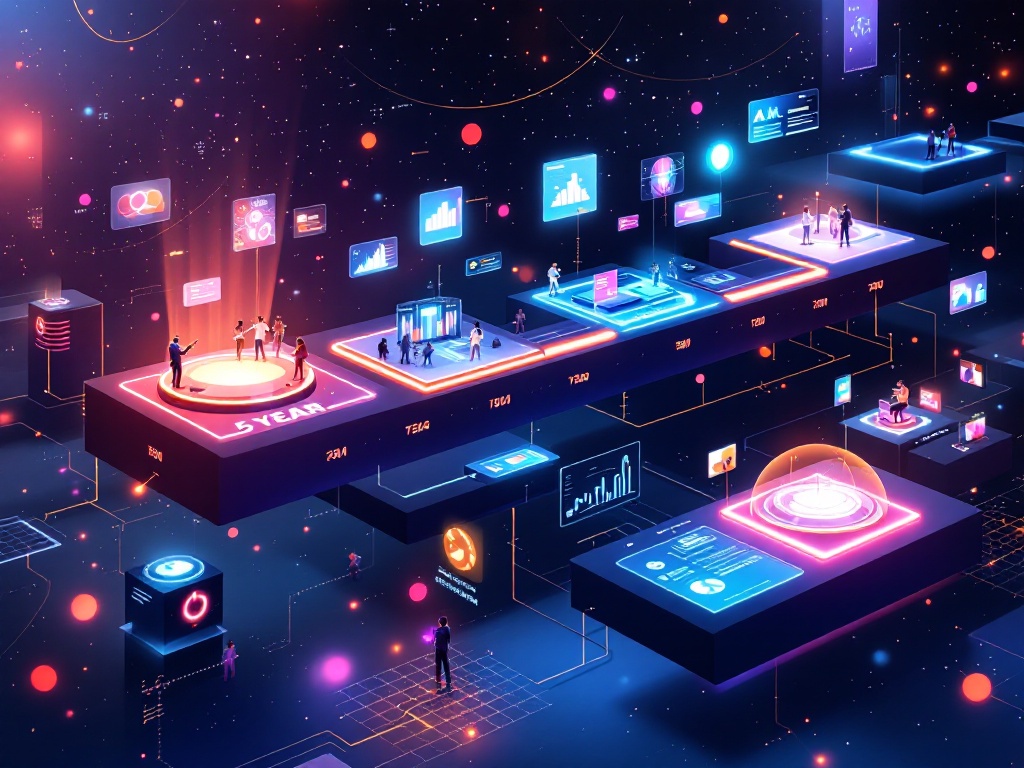
The Ultimate 5-Year Plan to Transition an Entertainment Company through the Current Technological Revolution is a strategic framework designed to guide entertainment organizations in adapting to rapid technological advancements and evolving consumer preferences. As the entertainment industry faces a seismic shift due to digital transformation, artificial intelligence, immersive technologies, and increased connectivity, it becomes critical for companies to reassess their operational models and competitive strategies to remain relevant and profitable in a dynamic landscape.
The plan emphasizes the integration of cutting-edge technologies such as artificial intelligence for personalization, virtual reality (VR), and augmented reality (AR) to enhance user experiences. Streaming capabilities are set to be revolutionized by 5G connectivity, enabling seamless content delivery and high-quality viewing experiences.
By identifying existing limitations and leveraging opportunities for growth, entertainment companies can foster a proactive culture that embraces innovation and agility in their operations.
Notably, the plan also addresses the challenges posed by content piracy, ad-blocking technologies, and changing audience behaviors that threaten traditional revenue models. It encourages organizations to develop innovative monetization strategies while maintaining high levels of user satisfaction and engagement.
Through comprehensive assessment methodologies and the use of strategic planning tools, the plan provides a structured approach for entertainment companies to successfully navigate the complexities of the current technological landscape.
In conclusion, the Ultimate 5-Year Plan serves as a vital roadmap for entertainment companies aiming to thrive amidst the ongoing technological revolution. By aligning their strategic goals with measurable objectives, fostering a proactive business culture, and continuously adapting to market changes, these organizations can secure a competitive edge in a fast-evolving industry.
Current Technological Landscape
The entertainment industry is undergoing a significant transformation driven by advancements in technology. As digital paradigms shift, disruptive technologies have begun to reshape the landscape for creatives, presenting both opportunities and challenges that industry professionals must navigate
.
Personalization and AI Integration
One of the most prominent trends is the increasing emphasis on personalization. With the aid of artificial intelligence (AI) and machine learning, entertainment companies can analyze vast datasets to create tailored content recommendations and targeted advertising
. This approach has been notably adopted by streaming services like Netflix and Amazon Prime, which utilize algorithms to suggest content based on users' viewing history and preferences
. The ongoing refinement of these technologies is expected to drive further adoption of personalized strategies across the industry, enhancing user engagement and driving revenue growth.
Immersive Technologies: VR and AR
Another pivotal shift in the technological landscape is the integration of immersive technologies such as Virtual Reality (VR) and Augmented Reality (AR). These innovations are revolutionizing viewer experiences by providing interactive and engaging content
. Companies are now exploring the implementation of VR and AR to create captivating environments for entertainment and enhance live event interactions, appealing to a tech-savvy audience that seeks novel experiences
. The success of these technologies relies on leadership guiding teams through their integration to elevate user engagement significantly.
5G Connectivity and Streaming
The rise of 5G connectivity plays a crucial role in the evolution of media consumption, enabling high-speed and low-latency streaming services. This technological advancement allows media companies to deliver high-quality, uninterrupted content on various devices, providing consumers with seamless access to entertainment anytime, anywhere
. As 5G becomes more ubiquitous, entertainment businesses must prepare to leverage its capabilities to improve streaming quality and overall user experience.
Real-Time Content Delivery
Furthermore, advancements in content delivery networks (CDNs) are facilitating real-time content delivery, which is vital for maintaining viewer engagement and satisfaction in an era of instant access to media
. The integration of AI in content creation not only aids in storytelling but also enhances the personalization of audio and visual content, resulting in improved connections with audiences through finely tuned narratives
.
Challenges and Considerations
Despite the myriad opportunities presented by technological advancements, the entertainment industry faces challenges such as content piracy and ad-blocking technologies, which complicate traditional revenue models
. Companies must adopt innovative strategies to balance monetization efforts with user satisfaction while anticipating and responding to evolving audience behaviors.
Assessment of Current Company Position
To effectively transition an entertainment company through the current technological revolution, it is crucial to conduct a comprehensive assessment of the organization's current position. This assessment includes identifying limitations, opportunities, and threats, as well as leveraging strategic planning tools.
Limitations and Areas for Improvement
Organizations often face various limitations that may hinder their progress. Identifying what processes or products require improvement is essential for growth and adaptation in a rapidly evolving market
. A thorough analysis should be conducted to pinpoint internal weaknesses and assess how they may expose the company to risks, including potential negative press that could impact market share
.
Opportunities for Growth
Recognizing opportunities is a pivotal part of the assessment. Organizations should evaluate their unique strengths and how these can be leveraged to seize emerging trends and capitalize on marketing initiatives
. Identifying any emerging needs for products or services will allow the company to innovate and stay ahead of competitors
.
Threats and Competitive Landscape
In addition to opportunities, it is vital to monitor the competitive landscape. Companies should keep an eye on emerging competitors and assess changing customer attitudes towards their offerings
. This vigilance enables organizations to adapt their strategies proactively and mitigate potential risks that could arise from these external factors.
Strategic Planning Tools
To facilitate the assessment, various strategic planning tools and analytical techniques can be employed. A balanced scorecard can help evaluate key business elements such as learning and growth, business processes, customer satisfaction, and financial performance
. Additionally, conducting a SWOT analysis will aid in assessing both the current and future potential of the business by examining strengths, weaknesses, opportunities, and threats
. This structured methodology not only informs decision-making but also guides the organization from vision to implementation, ensuring that high-impact priorities are effectively addressed
. By gathering this information, the organization can create a proactive culture that responds swiftly to market changes, ultimately positioning itself for success in the ongoing technological revolution.
Strategic Goals
The strategic goals of transitioning an entertainment company through the current technological revolution encompass a comprehensive framework aimed at enhancing operational effectiveness and market competitiveness. These goals are informed by a three-to-five-year strategic vision that aligns with the company's mission and vision, guiding the organization towards significant advancements in the industry
.
Long-Term and Short-Term Goals
Defining long-term goals is essential, as they provide a foundation for shorter-term objectives that support the overarching strategy. For instance, a company may aim to develop innovative products, such as a new pet tracking smart collar or enhancements to the microchipping experience for pet owners, which exemplify this forward-thinking approach
.
Measurable Objectives
To ensure progress is tracked effectively, it is critical that goals and key performance indicators (KPIs) are both measurable and actionable. These KPIs, established by the management committee and individual teams, serve as benchmarks for success, enabling the organization to monitor its trajectory toward achieving strategic objectives
.
Resource Allocation
A pivotal aspect of the strategic planning process involves the allocation of resources towards high-impact priorities. This entails creating a detailed budget based on financial forecasts and anticipated initiatives, which could include aggressive spending on product development, team building, and marketing efforts
. Ensuring that resources are aligned with key priorities allows the organization to address both opportunities and potential threats in the evolving market landscape
.
Proactive Business Culture
Cultivating a proactive business culture is imperative for the organization to respond swiftly to emerging market changes and opportunities. This involves assessing the current situation to identify areas for growth while fostering an environment that encourages adaptability and innovation among team members
.
Implementation Framework
The strategic planning process itself comprises a structured methodology that leads the organization from vision to execution. Forming a dedicated management committee of key strategic planners is the first step in this process, as it is their responsibility to gather essential information, guide plan development, and oversee the execution of the strategy
. By clearly defining strategic goals and employing a robust planning framework, an entertainment company can effectively navigate the complexities of the current technological revolution, ensuring sustained growth and relevance in a highly competitive landscape.
Implementation Plan
The implementation plan for transitioning an entertainment company through the current technological revolution involves several critical steps aimed at integrating strategic objectives into everyday operations.
Integration of Strategic Actions
To ensure the success of the strategic plan, it is essential that the outlined actions are seamlessly integrated into the daily operations of the organization. This alignment allows every team member's activities to reflect the broader strategic objectives of the company
.
Utilization of Tools and Software
Leveraging technology is crucial in facilitating the implementation of the plan. Utilizing work management platforms and other software tools can help track progress and manage tasks effectively
. These tools not only streamline operations but also enhance communication among team members.
Monitoring and Communication
Regular monitoring of the strategic plan's progress is vital. It is recommended to share updates with the entire organization to keep all stakeholders informed and engaged. This communication reinforces the importance of the plan and encourages accountability across teams
.
Regular Check-Ins and Adjustments
Establishing a schedule for regular check-ins can help assess the progress of the strategic plan and allow for necessary adjustments to be made as needed. This iterative approach ensures that the company can respond effectively to any challenges or changes in the industry landscape
.
Final Steps in Monitoring and Management
Once the new strategic framework is created and implemented, the final step involves ongoing monitoring and management. This continuous oversight allows for the evaluation of the effectiveness of the strategies in meeting the organization's goals and adapting to any new technological developments in the entertainment sector
. By following this implementation plan, the entertainment company can navigate the technological revolution while staying aligned with its strategic objectives and enhancing its operational capabilities.
Financial Projections
Key Results and KPIs
Establishing clear key results and key performance indicators (KPIs) is crucial for the financial health of an entertainment company transitioning through a technological revolution. These metrics should be set collaboratively by the management committee and specific teams closely associated with the operational aspects of the company. It is essential that the KPIs are measurable and actionable to effectively track progress and ensure alignment with strategic goals
.
Budgeting Strategy
A comprehensive budgeting strategy for the upcoming year or years should be grounded in a robust financial forecast. The budget must consider whether the company needs to invest aggressively in product development, team expansion, or marketing efforts to capture emerging market opportunities. It is vital to clarify the most important initiatives and allocate resources accordingly to maximize impact and achieve financial objectives
.
High-Level Project Roadmap
Creating a high-level project roadmap is an effective way to visualize the timeline for the strategic plan. This roadmap should outline the key projects and initiatives the company expects to undertake in specific quarters or years, making the strategic plan more actionable and comprehensible. It allows stakeholders to understand the expected progress and contributions toward overall financial goals
.
Resource Allocation
Resource allocation should prioritize high-impact initiatives that align with the company's long-term financial objectives. It is important to define long-term goals while also setting shorter-term goals to support them. This structured approach will help the company to assess its current situation, identify opportunities and threats, and mitigate potential risks effectively
.
Business Culture
Fostering a proactive business culture is essential for enabling the organization to respond swiftly to changes in the market landscape. By nurturing an adaptive and innovative environment, the company can better position itself to capitalize on technological advancements and evolving consumer preferences, ultimately supporting financial growth and sustainability in the competitive entertainment sector
.
Challenges and Risks
The transition of entertainment companies through the current technological revolution presents a multitude of challenges and risks. These challenges stem from shifting consumer behaviors, rapid technological advancements, and evolving regulatory frameworks that require constant adaptation
.
Adapting to New Technologies
One of the primary challenges faced by entertainment professionals is the need to adapt to new technologies. This adaptation involves staying updated with industry trends and investing in relevant training for teams to ensure they are equipped with the necessary skills. Furthermore, fostering a culture of innovation and collaborating with technology partners can facilitate tailored solutions that meet specific business needs
. However, these strategies come with inherent risks.
Risks of Implementation
The risks associated with adapting to new technologies include several critical factors. Upfront costs can be substantial, potentially straining budgets, particularly for smaller companies. Compatibility issues may arise when new systems are introduced, leading to disruptions in existing workflows
. Additionally, there are cybersecurity threats that pose risks to data integrity and consumer trust, necessitating ongoing vigilance and robust security measures. The requirement for continuous training and support to effectively utilize new technologies can also place a burden on resources
.
Mitigation Strategies
Despite these challenges and risks, they can be mitigated through careful planning and thorough risk assessments. Strategic implementation strategies that prioritize gradual integration, pilot testing, and feedback loops can help identify potential issues early in the transition process. By taking a methodical approach, entertainment companies can navigate the complexities of technological adaptation while minimizing the associated risks
.