
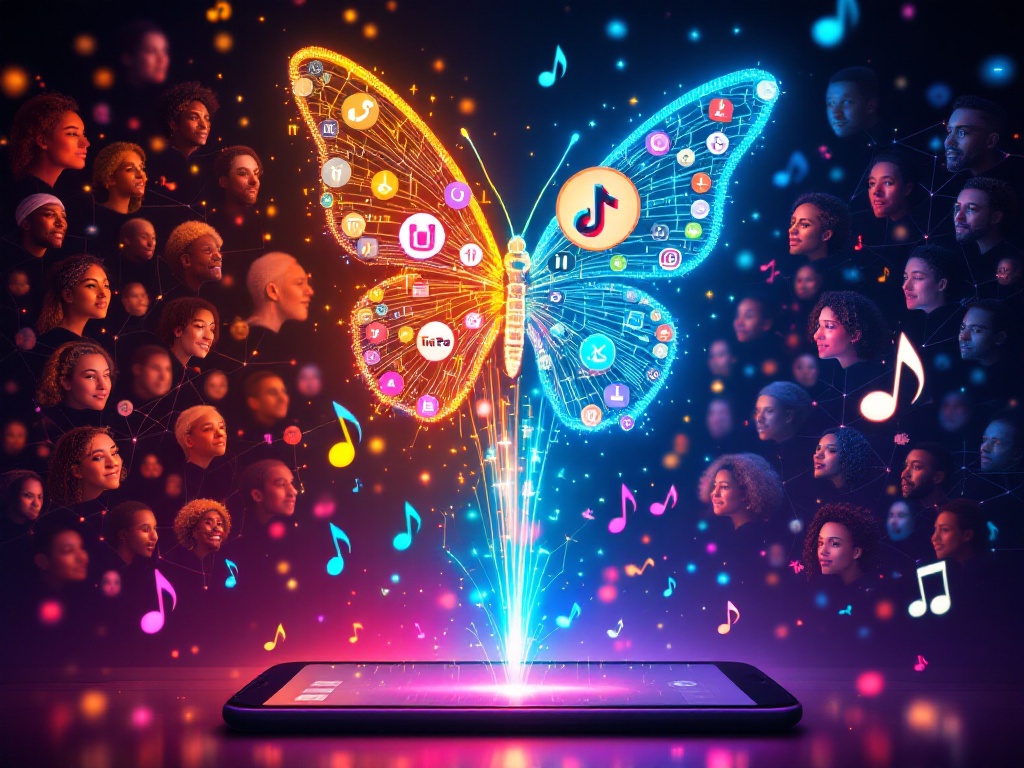
Music Virality in 2025 refers to the mechanisms and factors that contribute to the rapid spread and popularity of songs in the digital landscape of the mid-21st century. As the music industry continues to evolve, the ability of artists to achieve virality has become increasingly critical, driven by advancements in technology, social media dynamics, and changing audience behaviors. This phenomenon is notable not only for its impact on the careers of individual musicians but also for its broader implications on cultural trends and the music industry's economic landscape. In 2025, achieving music virality is characterized by a complex interplay of content creation, audience engagement, and strategic marketing practices. Social media platforms, particularly TikTok, play a central role by facilitating user-generated content and enabling songs to go viral through catchy snippets and challenges. Furthermore, the incorporation of data analytics and algorithmic recommendations enhances the discoverability of music, allowing artists to tailor their approaches based on listener preferences and emerging trends. However, the landscape is not without its challenges, as artists face pressures related to content saturation, mental health, and the need to adapt to constantly evolving platform algorithms. Noteworthy controversies surrounding music virality include concerns about the homogenization of musical styles, as algorithms may prioritize mainstream sounds over diverse artistic expressions. Additionally, the rise of influencer marketing introduces ethical considerations regarding authenticity and audience manipulation, prompting discussions on the responsibility of both brands and artists in shaping cultural narratives. As such, the music virality phenomenon in 2025 presents a dynamic intersection of creativity, technology, and societal influence, reflecting the complexities of modern music consumption. Overall, the landscape of music virality in 2025 illustrates a significant shift towards a digital-first approach, where the ability to connect with audiences and harness the power of social media is essential for success. With ongoing technological advancements and shifting cultural dynamics, the future of music virality will likely continue to evolve, shaping the ways artists create, share, and engage with their fans.
Historical Context
The landscape of music consumption has undergone significant transformations over the past few decades, driven by technological advancements and shifts in cultural behavior. The rise of digital platforms in the early 2000s marked the beginning of a paradigm shift from traditional media, such as physical albums and radio, to streaming services that offer instant access to vast libraries of music. This transition has not only changed how music is distributed but also how it is created, marketed, and consumed
[1]
. In the late 1990s and early 2000s, the advent of peer-to-peer file-sharing platforms like Napster revolutionized the music industry, leading to a dramatic decline in physical album sales and a surge in digital downloads. This disruption prompted record labels to adapt to the new reality, ultimately leading to the development of legal streaming services, such as Spotify and Apple Music, which gained immense popularity in the 2010s[2]
. These platforms introduced personalized listening experiences, catering to individual tastes and preferences, which have become a hallmark of music consumption in the digital age[2]
[1]
. As streaming services solidified their dominance, the music industry experienced the rise of independent artists who leveraged social media and digital platforms to reach audiences directly. This democratization of music production and distribution allowed for a wider variety of genres and artists to flourish, challenging the traditional gatekeeping roles of record labels and mainstream media[1]
. The ability to go viral on social media platforms further accelerated the rise of niche genres and unconventional artists, contributing to a more fragmented but diverse musical landscape[2]
. By the mid-2020s, AI and algorithms began playing a pivotal role in shaping music trends and consumption patterns. These technologies enable platforms to analyze user data and predict preferences, thereby creating tailored music recommendations that enhance listener engagement[3]
[4]
. Additionally, the integration of AI in music creation has opened new avenues for artists, blurring the lines between human and machine-generated music, which is reflective of broader societal trends towards personalization and technological integration[1]
.
Key Factors Influencing Virality in 2025
Understanding the Landscape of Music Virality
The music industry in 2025 is characterized by a multifaceted approach to virality, where artistic appeal, technological advancements, and cultural trends converge. Achieving virality is not merely a matter of chance; it results from a combination of strategies that resonate with both individual listeners and broader societal themes
[5]
.
Content Creation and Audience Engagement
Crafting Compelling Content
The foundation of a successful viral campaign is the creation of content that actively encourages sharing among audiences. Musicians and marketers are advised to tap into timely pop culture and trends, ensuring that their messages are relevant and resonate with current interests
[6]
. Engaging content should captivate audiences through humor, surprise, or utility, making it more likely to spread organically via word-of-mouth[6]
.
Leveraging Social Media Platforms
Social media continues to serve as a primary channel for viral content. Brands and artists are encouraged to adapt their materials to suit various platforms, such as using horizontal mobile formats for videos or bite-sized images for Instagram and TikTok. The incorporation of clickable tags and mentions further enhances shareability
[6]
.
The Role of Influencer Marketing
Strategic Influencer Collaborations
Influencer marketing remains a pivotal element in driving virality in 2025. Brands are encouraged to collaborate with influencers who authentically connect with their brand values, rather than solely focusing on high-profile figures. Micro-influencers, who may have smaller but more engaged audiences, can be particularly effective for niche viral campaigns. It is essential that influencers are given creative freedom to promote products naturally
[7]
.
Authentic Engagement and Credibility
Successful influencer partnerships rely on genuine engagement with audiences. Brands should measure the effectiveness of these collaborations through engagement rates, follower growth, and conversion rates from influencer campaigns
[7]
. By fostering authentic connections, brands can create credible endorsements that resonate with target demographics, amplifying their message's reach.
Adapting to Social Media Algorithms
As social media algorithms evolve, understanding their impact on content visibility becomes increasingly crucial. Brands must remain flexible and adapt their strategies to align with changing algorithms, focusing on creating content that audiences find engaging, such as interactive posts and videos. Monitoring user behavior and leveraging tools like SEMrush and Google Analytics can help predict trends and optimize content strategies effectively
[7]
.
Platforms Driving Music Virality
The Role of Social Media
Social media platforms have become pivotal in shaping the virality of music in contemporary culture. Their ability to facilitate rapid sharing and engagement allows songs to reach a broader audience almost instantaneously. TikTok, in particular, stands out as a transformative force for music artists. The platform's structure encourages users to create content around catchy snippets of songs, often leading to viral trends that significantly boost an artist's visibility and streams
[5]
[8]
. By leveraging TikTok's recommendation engine, artists can tap into existing trends, thus enhancing their chances of discovery and engagement within a massive user base[9]
.
Algorithmic Influence
The algorithms that power social media and streaming platforms play a crucial role in promoting music content. These algorithms prioritize content that aligns with trending themes and user preferences, often leading to a homogenization of musical styles. While this can foster rapid success for some artists, it poses challenges for others who may feel pressured to conform to popular trends at the expense of their creativity and individuality
[10]
. In 2025, it is anticipated that listeners will increasingly discover new music through algorithm-driven playlists, making it vital for artists to optimize their metadata and maintain a strong social media presence to enhance their chances of being recommended[11]
.
The Importance of Content Creation
For artists aiming for virality, the creation of shareable content is essential. Crafting engaging and visually appealing videos that resonate with current trends can significantly increase an artist's chances of going viral. Collaborating with influencers and other creators can further expand an artist's reach, allowing them to connect with new audiences who might not have otherwise discovered their music
[8]
[9]
. The dynamic nature of platforms like TikTok encourages a blend of creativity, adaptability, and audience engagement, making it crucial for artists to stay attuned to platform trends and user interests in order to maximize their virality potential.
Case Studies of Viral Music Hits
The Power of Emotional Connection
A pivotal element in understanding viral music hits is the intrinsic ability of a song to resonate emotionally with its audience. For example, songs that evoke strong feelings—such as joy, nostalgia, or empowerment—are more likely to be shared among listeners, creating a ripple effect that enhances their virality. This emotional connection often manifests through relatable lyrics, catchy hooks, or infectious beats that encourage listeners to engage and share the music within their social circles
[5]
[12]
.
Technological Facilitation and Social Media Impact
The role of social media platforms in amplifying viral music hits cannot be overstated. As songs gain traction through shares and user-generated content, they infiltrate digital ecosystems, becoming cultural phenomena almost overnight. The confluence of technology and music artistry allows viral songs to transcend traditional metrics of success, such as airplay or album sales, and achieve a level of recognition that dramatically alters an artist's career trajectory
[5]
.
Examples of Viral Success
The music industry has witnessed numerous examples of songs that have achieved viral success due to a combination of emotional resonance and strategic social media engagement. For instance, a recent viral hit was characterized by its ability to create a shared experience among diverse listener groups, thus capitalizing on the collective zeitgeist. Such songs not only inspire sharing for their musical qualities but also for the emotional experiences they encapsulate, leading to increased streams and downloads in a remarkably short time frame
[5]
[12]
.
The Role of Data Analytics
Data analytics plays a crucial role in shaping the music industry, particularly in the context of virality and audience engagement in 2025. For artists and marketers alike, leveraging data provides valuable insights into listener behavior, preferences, and emerging trends, allowing for more informed decision-making and strategic planning
[13]
[14]
.
Predicting Trends and Audience Insights
One of the primary functions of data analytics is its ability to predict trends within the music landscape. By analyzing historical data from various sources such as streaming platforms and social media, artists can identify which songs or genres are likely to gain popularity in the near future
[13]
[12]
. This predictive capability enables musicians to adapt their creative processes to align with audience demands and market shifts, ensuring their music remains relevant[15]
.
Informed Decision-Making
Data-driven insights empower artists and labels to make more informed decisions regarding marketing, promotion, and touring strategies. For instance, by tracking engagement metrics like play counts and listener demographics, they can tailor their outreach efforts to better resonate with their target audiences
[14]
[16]
. Additionally, insights into active listening times can optimize release schedules, enhancing engagement and maximizing impact[16]
.
Personalized Fan Experiences
The integration of data analytics extends beyond simply understanding trends; it also facilitates the creation of personalized experiences for fans. By utilizing data to curate playlists and deliver targeted recommendations, artists can foster deeper connections with their listeners, ultimately increasing loyalty and engagement
[13]
[14]
. This personalization is crucial in a saturated market where unique fan experiences can significantly influence an artist's success.
Practical Applications of Data Analytics
Artists looking to increase the virality potential of their music can implement several practical strategies informed by data analytics. Monitoring engagement metrics helps identify which elements of a song are well-received, while predictive analytics can guide artists in developing music that aligns with upcoming trends
[12]
[15]
. Furthermore, by analyzing data to identify potential breakthroughs in emerging genres or sounds, artists can position themselves as trendsetters rather than followers.
Cultural Impact
The Role of Social Media in Cultural Fluency
As social media has become the primary platform for cultural exchange, brands and artists are increasingly required to demonstrate cultural fluency to connect with audiences effectively. A recent study indicates that 90% of consumers utilize social media to stay informed about cultural trends, significantly surpassing traditional media sources like television and streaming services
[17]
. Furthermore, 93% of consumers believe it is essential for brands to remain attuned to online culture, highlighting the necessity for brands to engage authentically with their audience's interests and values[17]
.
Global Influences on Music
The music landscape of 2025 is marked by a rich tapestry of global influences, where diverse musical traditions intermingle to create innovative new sounds. The rise of global music fusion reflects the increasing accessibility of music worldwide, fostering collaborations that blend traditional and contemporary styles
[18]
. One notable phenomenon is the emergence of Afro-folk, which combines African rhythms with traditional folk instrumentation, showcasing the genre's ability to celebrate cultural diversity while appealing to broader audiences[19]
.
Cultural Sensitivity and Representation
As the music industry becomes more interconnected, there is a growing emphasis on cultural sensitivity and accurate representation. Artists and producers are now more conscious of how they depict various cultures in their work, leading to more authentic and inclusive musical expressions
[18]
. This shift not only enhances the music experience but also contributes to a more equitable industry that respects diverse cultural backgrounds.
The Impact of Technology on Cultural Exchange
Technological advancements are revolutionizing music production and consumption, allowing for synchronous performances that can cross geographical boundaries
[20]
. This capability fosters real-time collaboration between artists from different cultures, further enriching the musical landscape. Additionally, the integration of AI tools in music creation is beginning to blur the lines between human and machine-generated artistry, pushing the boundaries of what is considered music and authorship[21]
.
Changing Audience Expectations
The COVID-19 pandemic has reshaped audience expectations for music experiences. Festivalgoers are now seeking innovative and immersive experiences, prompting event organizers to explore new formats and technologies to meet these demands
[20]
. This evolution is a reflection of broader societal changes, as audiences increasingly value creativity and authenticity in the music they consume.
Challenges and Criticisms
The landscape of music virality in 2025 is marked by several challenges that artists and marketers must navigate to achieve success.
Content Saturation and Burnout
One of the most significant challenges is content saturation. With millions of users competing for attention, it can be difficult for artists to stand out in a crowded marketplace. Key strategies for overcoming this include maintaining consistency, originality, and a clear understanding of one's unique value proposition
[22]
. Additionally, the pressure to continuously produce content can lead to burnout among creators. Finding a balance between quality and quantity is essential for sustainable success[22]
.
Mental Health Implications
Social media's impact on mental health is another concern for artists and creators. The pressure to uphold a specific image, coupled with the fear of missing out (FOMO) and exposure to negative comments, can take a toll on well-being. It is vital for artists to set boundaries, take breaks, and focus on constructive feedback, as their self-worth should not be defined by likes, follows, or views
[22]
.
Managing Controversy
While thoughtful controversy can drive engagement, it requires careful management. Brands are advised to select divisive issues that authentically align with their values and share uncommon perspectives without damaging their reputation. Shock tactics may work for some, but they can also alienate audiences if not executed properly. Thus, turning critics into collaborators by responding judiciously can foster understanding and engagement
[6]
. The key is to wield controversy responsibly to enrich cultural understanding rather than sow division[6]
.
Navigating Negative Feedback
Negative comments, while often disheartening, can also play a paradoxical role in enhancing visibility on platforms. As artists gain popularity, they may attract more negativity, but this can help their content perform better in algorithms. However, the ability to handle criticism effectively is crucial. Engaging with feedback constructively rather than ignoring it can turn potential detractors into advocates
[23]
.
Resistance to Change
In addition to these social media-specific challenges, there exists a broader resistance to change within the industry. Many creators may struggle with adapting to new technologies and evolving platforms. This necessitates clear communication, training, and support to create a receptive environment for innovation
[24]
. Embracing change is essential for success in a rapidly shifting digital landscape[24]
.
Evolving Content Preferences
As user preferences evolve, there is a constant need for content creators to adapt. While short-form clips remain popular, longer, educational, and documentary-style content has also seen a rise in engagement. Understanding these trends is critical for artists aiming to maintain relevance across various platforms
[25]
. Furthermore, the blurring lines between B2B and B2C content marketing signify a shift towards a more human-centric approach that caters to audience relatability, regardless of the target demographic[25]
.
Algorithm Dynamics
Finally, the workings of social media algorithms pose ongoing challenges. These algorithms prioritize content based on factors like engagement and relevancy, which means artists must strategically craft their posts to maximize visibility
[26]
[27]
. By focusing on high-engagement content, utilizing trending sounds and hashtags, and fostering interactions, artists can better navigate these algorithmic landscapes to enhance their chances of virality[28]
.
Future Trends and Innovations in Music Virality
Anticipated Transformations in Music
As we look ahead to 2025, the music landscape is expected to experience significant changes driven by technological advancements, shifting cultural tastes, and evolving industry dynamics. These factors will likely play a crucial role in defining the future of music virality
[18]
.
The Evolution of Music Genres
One notable trend is the anticipated fusion and innovation within music genres. The future soundscape is expected to reflect a blend of diverse influences, propelled by cultural exchange and technology. This evolution may lead to the emergence of new genres that resonate with a global audience
[18]
.
Impact of Digital Platforms
Digital platforms will continue to redefine how music is consumed and shared. The ongoing integration of social media and music streaming services will create new pathways for artists to reach their audiences. TikTok, in particular, will play a pivotal role in shaping music virality by facilitating the discovery of songs through short-form content and user-generated trends
[29]
. Brands and musicians must adapt their strategies to leverage these platforms effectively.
Generative AI in Music Creation
Another key trend is the strategic use of generative AI in music creation and marketing. By 2025, artists and producers may increasingly employ AI tools to enhance their creative processes, leading to innovative compositions and unique soundscapes. This technology could not only reshape the music itself but also redefine how it is marketed and distributed across various channels
[30]
.
Sustainable Practices in the Music Industry
Additionally, the music industry is likely to adopt more sustainable practices in response to regulatory pressures and consumer demand. The shift towards environmentally friendly initiatives may influence everything from production methods to concert logistics, impacting how music is experienced and shared globally
[30]
.