
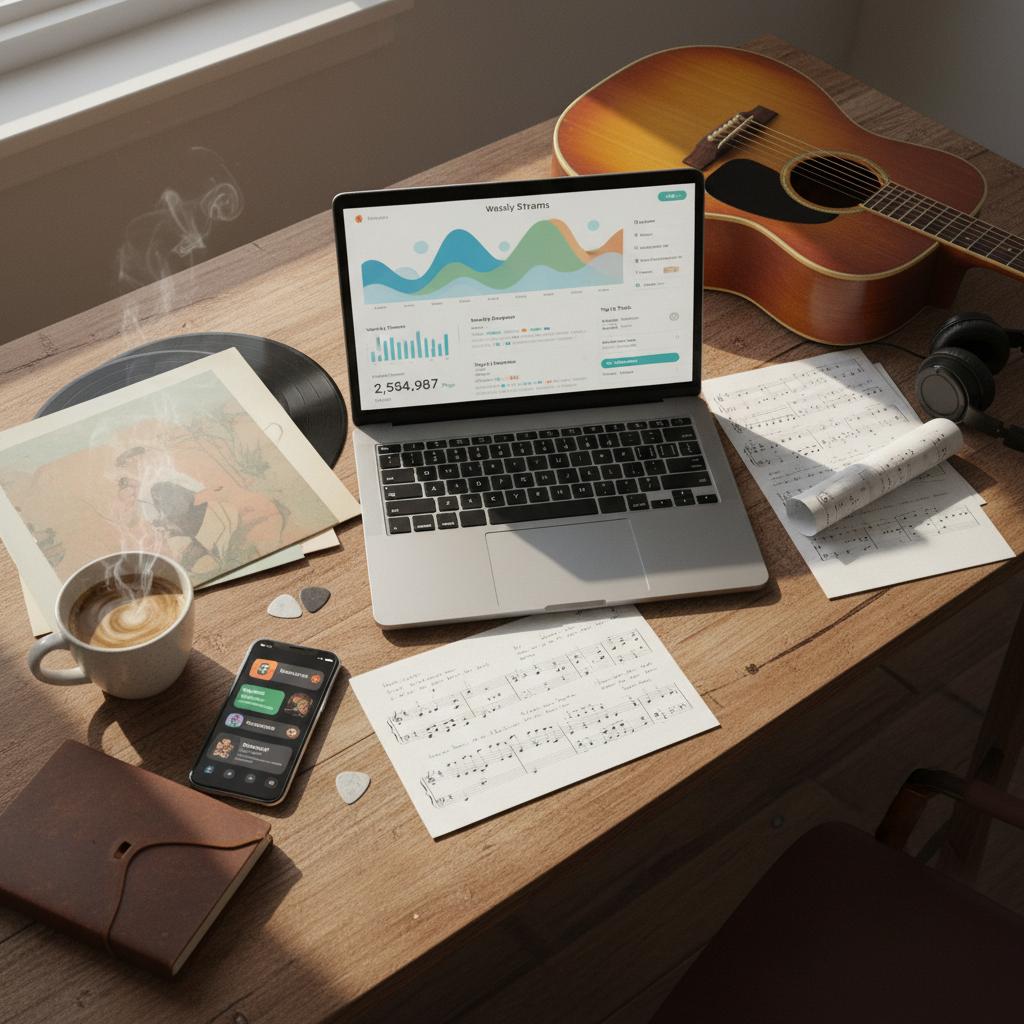
The digital music landscape is ruled by invisible puppet masters – algorithms that decide who gets heard and who gets buried. But what if I told you these black boxes aren't as mysterious as they seem?
The Algorithm Myth-Busting Begins Here
Let's cut through the BS right away: algorithms aren't magic. They're just really complex recipes that platforms use to serve content. And like any recipe, you can figure out the ingredients if you know what to look for.
After 27 years in the music industry and watching the shift from radio gatekeepers to algorithmic overlords, I've learned that understanding these systems isn't just helpful – it's survival.
Why Reverse Engineering Matters in Music
The brutal truth: Spotify's algorithm doesn't care about your artistic vision. Neither does TikTok's, YouTube's, or Instagram's. They care about engagement, retention, and keeping users glued to their platforms.
But here's the kicker – once you understand what they're optimizing for, you can work with them instead of against them.
The Reverse Engineering Toolkit
1. Pattern Recognition is Your Best Friend
Start simple. Track what works:
- Which posts get the most engagement?
- What time do your streams peak?
- Which hashtags actually move the needle?
I use tools like Chartmetric and Cyanite AI to spot patterns that would take humans months to identify. The algorithm leaves breadcrumbs everywhere – you just need to know where to look.
2. A/B Testing: The Scientific Method for Creatives
Test everything:
- Post the same content at different times
- Use different thumbnail styles
- Vary your caption length
- Experiment with hashtag combinations
Pro tip: Only change one variable at a time. Otherwise, you're just throwing spaghetti at the wall and hoping something sticks.
3. Data Mining Your Own Analytics
Your analytics dashboard is a goldmine of algorithmic insights:
- Retention graphs show you exactly when people lose interest
- Traffic sources reveal which algorithmic pathways are working
- Demographic data helps you understand who the algorithm thinks you're for
4. Competitor Intelligence (AKA Ethical Stalking)
Study artists who are crushing it in your genre:
- What's their posting frequency?
- How do they structure their content?
- What engagement tactics do they use?
This isn't about copying – it's about understanding the game everyone else is playing.
The Technical Deep Dive
Understanding Engagement Signals
Algorithms typically optimize for:
- Immediate engagement (likes, comments, shares within the first hour)
- Session duration (how long people stay on the platform after seeing your content)
- Return visits (do people come back to your profile?)
- Completion rates (do they listen to the whole song?)
The Feedback Loop Hack
Here's something most people miss: algorithms learn from user behavior, but they also shape it. If you can trigger the right initial signals, the algorithm will help amplify your reach.
Example: On TikTok, if your video gets strong engagement in the first few hours, the algorithm assumes it's good content and shows it to more people. This creates a snowball effect.
Practical Strategies That Actually Work
1. The Hook Strategy
- First 3 seconds are everything
- Start with conflict, curiosity, or controversy
- Make people need to know what happens next
2. The Consistency Game
- Algorithms reward predictable creators
- Post at the same times
- Maintain consistent quality
- Stick to your niche (at least until you've built momentum)
3. The Community Building Approach
- Reply to every comment (especially early ones)
- Ask questions that generate responses
- Create content that people want to share
4. The Cross-Platform Symphony
- Use each platform's strengths to feed the others
- Repurpose content strategically
- Create platform-specific versions of the same idea
Red Flags and Algorithm Killers
Avoid these like the plague:
- Buying fake engagement (algorithms can detect this)
- Posting inconsistently
- Ignoring your audience
- Using banned or flagged audio/hashtags
- Creating content that makes people leave the platform
The Human Element in an Algorithmic World
Here's what the tech bros don't want you to know: the best way to beat an algorithm is to focus on humans first. Algorithms are designed to find and amplify content that real people genuinely engage with.
The paradox: The more you chase the algorithm, the further you get from authentic connection. The more you focus on creating genuine value for real people, the more the algorithm rewards you.
Tools for the Modern Algorithm Detective
Free options:
- Native analytics on each platform
- Google Trends for timing insights
- Social media scheduling tools with analytics
Paid tools worth the investment:
- Chartmetric for music-specific data
- Hootsuite or Buffer for cross-platform insights
- Cyanite AI for audio analysis
The Ethical Considerations
Let's address the elephant in the room: Is reverse engineering algorithms ethical?
My take: If you're using insights to create better, more engaging content that genuinely serves your audience, absolutely. If you're trying to game the system with manipulative tactics, you're part of the problem.
The goal isn't to trick algorithms – it's to understand them well enough to work within their framework while staying true to your artistic vision.
Looking Forward: The Algorithm Evolution
Algorithms are constantly evolving. What works today might not work tomorrow. The key is building systems that can adapt:
- Focus on fundamentals (quality content, genuine engagement)
- Stay curious about new features and changes
- Build direct relationships with your audience (email lists, text subscribers)
- Diversify your platforms and strategies
Your Action Plan
Week 1: Audit your current analytics across all platforms Week 2: Identify your top-performing content and analyze why it worked Week 3: Start A/B testing one variable at a time Week 4: Implement insights and measure results
The Bottom Line
Reverse engineering algorithms isn't about outsmarting the system – it's about understanding the rules of the game you're already playing. In an industry where visibility equals viability, this knowledge isn't optional anymore.
The algorithms will keep evolving, but the underlying principles remain: create content that serves your audience, engage authentically, and use data to guide your decisions.
Remember: You're not just an artist anymore – you're a data scientist, community builder, and algorithm whisperer all rolled into one. Embrace it, and watch your reach explode.
What's your biggest algorithm mystery? Drop a comment below and let's crack the code together.
#MusicMarketing #IndependentArtist #MusicBusiness #StreamingStrategy #MusicPromotion #ArtistDevelopment #MusicIndustry #DIYMusician #MusicTech #DigitalMarketing orithmHacks #SocialMediaAlgorithm #MusicAlgorithms #StreamingAlgorithms #TikTokAlgorithm #SpotifyAlgorithm #YouTubeAlgorithm #DataDriven #MusicAnalytics #AlgorithmStrategy